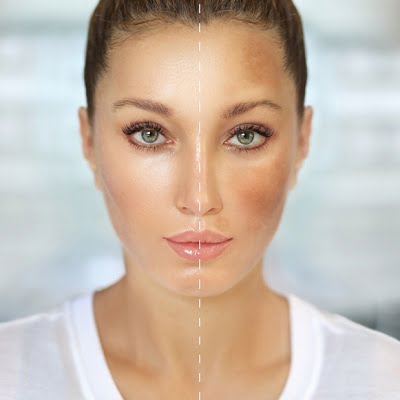
Melasma and Hormonal Imbalance
Melasma is a common pigmentation disorder that appears as dark patches on the face, including the cheeks, forehead, upper lip, and nose. While UV exposure, genetics, and skincare habits play a role, hormonal imbalance is one of the most significant triggers, especially for women during pregnancy or while using contraceptives. Understanding this link is key to effective treatment and long-term management.
For personalized solutions, professional assessment is essential. Melasma in Islamabad
offers expert evaluation and treatment tailored to each patient’s skin and hormonal profile.
How Hormones Influence Melasma:
Hormones regulate various functions in the body, including pigmentation. When hormonal levels fluctuate, melanocytes—the pigment-producing cells in the skin—can become overactive, leading to the formation of dark patches.
Key hormonal influences include:
Estrogen and progesterone: Elevated levels during pregnancy or oral contraceptive use often trigger melasma.
Thyroid hormones: Imbalances can affect skin pigmentation indirectly.
Stress hormones (cortisol): Chronic stress may exacerbate hormonal triggers and worsen pigmentation.
Understanding which hormones are contributing is essential for selecting appropriate treatment strategies.
Identifying Hormonal Melasma:
Hormonal melasma often appears symmetrically on the face, with characteristic dark patches on the cheeks, forehead, upper lip, and nose. It tends to develop gradually and can fluctuate with hormonal cycles, pregnancy, or changes in contraceptive use.
Symptoms to watch for include:
Dark, irregular patches that appear after hormonal changes
Recurrence during pregnancy or menstruation
Resistance to standard skincare remedies without professional care
Early identification allows for more targeted treatment and better long-term outcomes.
Topical Treatments for Hormonal Melasma:
While managing hormones is critical, topical treatments remain a key part of controlling pigmentation. Modern dermatology offers formulations that are effective and safe, even for sensitive skin:
Hydroquinone: Reduces melanin production and lightens dark areas.
Azelaic acid: Gentle, suitable for sensitive skin, reduces inflammation.
Vitamin C and niacinamide: Antioxidants that promote even skin tone and barrier repair.
Topical treatments work best when combined with hormonal management and professional oversight.
Professional Treatments and Monitoring:
For more persistent hormonal melasma, professional interventions can accelerate results:
Chemical Peels: Promote skin renewal and reduce hyperpigmentation.
Laser and Light Therapies: Target pigment deeper in the skin for stubborn patches.
Combination Therapy: Topicals with peels or laser sessions for maximum effectiveness.
Patients often consider Melasma cost in Islamabad
to plan treatment schedules, including ongoing maintenance and preventive measures.
Lifestyle and Hormonal Balance
Hormonal melasma management is not just about treatments—it also involves lifestyle adjustments:
Diet rich in antioxidants: Supports skin repair and hormone regulation.
Stress management techniques: Yoga, meditation, or therapy can reduce cortisol-induced pigmentation.
Adequate sleep: Helps regulate hormonal cycles and supports skin regeneration.
These measures complement medical interventions and improve long-term outcomes.
Sun Protection: Essential for Hormonal Melasma:
Even with hormonal regulation and treatments, UV exposure can worsen melasma. Daily sun protection is non-negotiable:
Use broad-spectrum sunscreen SPF 30+ daily.
Wear protective clothing, hats, and sunglasses.
Avoid direct sun exposure during peak hours (10 a.m.–4 p.m.).
Consistent sun protection prevents flare-ups and enhances the effectiveness of other treatments.
Long-Term Management and Follow-Up:
Hormonal melasma may recur, especially during pregnancy, menstrual cycles, or changes in hormonal therapy. Long-term management strategies include:
Continuous topical treatments as advised by a dermatologist
Periodic professional treatments to maintain even skin tone
Regular sun protection and lifestyle adjustments
Hormonal evaluation and monitoring when necessary
For comprehensive long-term care, expert guidance ensures patients maintain clear, even skin and minimize recurrence.
Choosing the Right Clinic for Hormonal Melasma:
A professional clinic with expertise in melasma and hormonal influences can make all the difference in outcomes. Key features to look for include:
Personalized treatment plans tailored to skin type and hormonal profile
Advanced diagnostic and treatment tools
Expert guidance for long-term maintenance
For expert evaluation, professional treatments, and personalized care, Royal cosmetic surgery clinic
provides solutions to help patients effectively manage hormonal melasma and achieve clear, radiant skin.
Key Takeaways:
Hormonal imbalances are a major trigger for melasma, particularly in women.
Topical and professional treatments are more effective when combined with hormonal management.
Sun protection and lifestyle adjustments support long-term results.
Hormonal melasma can recur, requiring maintenance and monitoring.
Choosing a specialized clinic ensures personalized care and effective treatment outcomes.
With the right combination of professional treatments, sun protection, lifestyle habits, and hormonal monitoring, melasma caused by hormonal imbalance can be effectively managed, leading to healthier and more even-toned skin.
https://www.royalcosmeticsurge....ry.com.pk/melasma-tr